Zbulo postimet trending në X/Twitter
Gjej frymëzim nga përmbajtja më e fundit trending në X/Twitter.
MVP MVP MVP! 🔥 👉 Talen Horton-Tucker! 👏 #YellowLegacy #EuroLeague #PetrolOfisi https://t.co/ueU5HKCbid
34K
4K
19
115
23K
59
19
1
21K
71
4
1
Sep 25
“My competitive drive pushes me to work harder, but the people who have been with me for a long time and the fans who support me are also a source of motivation. Their support makes me want to push myself even further.” - Canyon The light you’ve shown us gives us the strength to keep going. And together, we carry it to Worlds. 𝐓𝐇𝐄 𝐋𝐈𝐆𝐇𝐓 𝐁𝐄𝐓𝐖𝐄𝐄𝐍 𝐔𝐒 Get the 2026 Worlds Kit. 📷 Membership Pre-Sales: Oct. 1 📷 Public Sales: Oct. 8 🛒 PRODUCT PAGE Jacket : https://t.co/qidO7e9VxB Jersey : https://t.co/4ZO2JerlAY #GENG #KCCRD #TIGERNATION #Worlds2026 #TheLightBetweenUs
16K
282
1
75
18K
147
15
11
Sep 27
at the Jetour showroom dubai: > absolutely packed > 20 months wait for a sales rep > 40-50% cheaper than audi q3 with superior trim https://t.co/4BpyuJ23uY https://t.co/qxADU960Dv
82K
171
31
9
16K
244
63
8
Sep 29
𝐓𝐇𝐄 𝐁𝐈𝐆𝐆𝐄𝐒𝐓 𝐉𝐎𝐔𝐑𝐍𝐄𝐘𝐒 𝐎𝐅𝐓𝐄𝐍 𝐒𝐓𝐀𝐑𝐓 𝐅𝐑𝐎𝐌 𝐈𝐍𝐒𝐈𝐃𝐄 𝐀 𝐓𝐄𝐍𝐓. You see a quiet campsite, mountains, a lake and an open path ahead. But there’s a deeper idea in this image: 𝐓𝐇𝐄 𝐕𝐈𝐄𝐖 𝐎𝐍𝐋𝐘 𝐁𝐄𝐂𝐎𝐌𝐄𝐒 𝐀𝐕𝐀𝐈𝐋𝐀𝐁𝐋𝐄 𝐖𝐇𝐄𝐍 𝐘𝐎𝐔 𝐇𝐀𝐕𝐄 𝐓𝐇𝐄 𝐑𝐈𝐆𝐇𝐓 𝐈𝐍𝐅𝐑𝐀𝐒𝐓𝐑𝐔𝐂𝐓𝐔𝐑𝐄 𝐓𝐎 𝐑𝐄𝐀𝐂𝐇 𝐈𝐓. That is an interesting way to think about USDD. A stablecoin isn’t simply a token with a dollar symbol. Behind the user-facing asset is an entire system designed around collateral, debt, stability mechanisms and on-chain transparency. USDD’s current Vault interface allows users to deposit supported collateral, mint USDD against that collateral, monitor their position and manage their debt. The current TRON interface shows a minimum collateral ratio of 120% for the displayed TRX-A/USDD vault. So the architecture can be simplified to: 𝐂𝐎𝐋𝐋𝐀𝐓𝐄𝐑𝐀𝐋 → 𝐕𝐀𝐔𝐋𝐓 → 𝐔𝐒𝐃𝐃 → 𝐌𝐎𝐍𝐈𝐓𝐎𝐑𝐈𝐍𝐆 → 𝐑𝐈𝐒𝐊 𝐌𝐀𝐍𝐀𝐆𝐄𝐌𝐄𝐍𝐓 And there is another important component: 𝐓𝐇𝐄 𝐏𝐄𝐆 𝐍𝐄𝐄𝐃𝐒 𝐈𝐍𝐅𝐑𝐀𝐒𝐓𝐑𝐔𝐂𝐓𝐔𝐑𝐄 𝐀𝐑𝐎𝐔𝐍𝐃 𝐈𝐓. USDD’s PSM provides a fixed-rate conversion mechanism between USDD and supported stablecoins, including USDT and USDC, at a stated 1:1 rate. That gives the ecosystem another route for moving between stable assets without relying on the same liquidity mechanics as a conventional DEX pool. And this is why the image’s “journey” metaphor works so well. The destination is visible. The difficult part is the infrastructure that gets you there. In decentralized finance, that infrastructure includes: 𝐂𝐎𝐋𝐋𝐀𝐓𝐄𝐑𝐀𝐋 𝐒𝐌𝐀𝐑𝐓 𝐂𝐎𝐍𝐓𝐑𝐀𝐂𝐓𝐒 𝐎𝐑𝐀𝐂𝐋𝐄𝐒 𝐋𝐈𝐐𝐔𝐈𝐃𝐈𝐓𝐘 𝐏𝐄𝐆 𝐌𝐄𝐂𝐇𝐀𝐍𝐈𝐒𝐌𝐒 𝐋𝐈𝐐𝐔𝐈𝐃𝐀𝐓𝐈𝐎𝐍 𝐀𝐍𝐃 𝐑𝐈𝐒𝐊 𝐌𝐀𝐍𝐀𝐆𝐄𝐌𝐄𝐍𝐓. The user may only see “USDD.” But underneath that symbol is a financial architecture attempting to make digital-dollar liquidity programmable and accessible on-chain. And importantly, 𝐒𝐓𝐀𝐁𝐋𝐄 𝐃𝐎𝐄𝐒𝐍’𝐓 𝐌𝐄𝐀𝐍 𝐑𝐈𝐒𝐊-𝐅𝐑𝐄𝐄. Collateral can move in value. Parameters can change. Liquidation mechanisms matter. Smart-contract and governance risks still exist. That is precisely why understanding the machinery is more valuable than simply looking at the ticker. 𝐓𝐇𝐄 𝐌𝐎𝐔𝐍𝐓𝐀𝐈𝐍 𝐈𝐒 𝐓𝐇𝐄 𝐕𝐈𝐒𝐈𝐁𝐋𝐄 𝐏𝐀𝐑𝐓. 𝐓𝐇𝐄 𝐓𝐑𝐀𝐈𝐋 𝐈𝐒 𝐓𝐇𝐄 𝐈𝐍𝐅𝐑𝐀𝐒𝐓𝐑𝐔𝐂𝐓𝐔𝐑𝐄. And in DeFi, the trail is where the real engineering happens. @trondao @DeFi_JUST #TRONEcoStar @justinsuntron
110K
0
0
0
Sep 27
“IN KADUNA, CITIZENS COUNT THE GAINS OF UBA SANI’S FREE CNG BUSES” By Usman Abubakar Public policy acquires its truest meaning not in government documents, budget speeches or ceremonial unveilings, but in the burdens it removes from ordinary lives. In Kaduna State, that meaning can now be seen every morning as workers, students, teachers, traders, artisans and pensioners board gleaming Compressed Natural Gas (CNG) buses without reaching into their pockets. For millions of citizens negotiating one of Nigeria’s most difficult economic periods, Gov. Uba Sani’s Free CNG Mass Transit Scheme has become more than a transportation programme. It is a moving social safety net, returning money to households, protecting livelihoods and demonstrating that government can bring both compassion and imagination to economic reform. The removal of petrol subsidy by President Tinubu in 2023 was a difficult but necessary national decision intended to free the economy from an increasingly unsustainable fiscal burden. Yet its immediate consequences were severe. Higher fuel prices rapidly translated into increased transportation costs, while the prices of food, education, healthcare and other essentials rose simultaneously. Workers discovered that commuting consumed an alarming share of their salaries. Students struggled to reach their schools. Traders watched transport costs erode already narrow margins, while artisans, retirees and low-income families bore the harshest edge of the adjustment. President Tinubu consistently urged state governments to complement federal reforms with practical measures capable of cushioning their effects on citizens. In Kaduna, Gov. Uba Sani responded with uncommon decisiveness. On July 7, 2025, he launched a fleet of 100 brand-new CNG-powered buses and made transportation entirely free. What began primarily as an intervention for workers and students was soon expanded to embrace every citizen because, as the administration correctly recognised, economic hardship does not respect professional, social or occupational boundaries. Twelve months later, more than five million passenger journeys had been recorded, with approximately ₦5.24billion saved by commuters. These figures are impressive, but their deeper significance lies beyond arithmetic. That money did not disappear into an abstract economic ledger; it remained in the pockets of families. It became food on tables, schoolbooks in children’s hands, medicine for the sick, rent contributions, business capital and modest savings against unforeseen emergencies. In an era when every Naira matters, the scheme has redistributed relief directly and transparently, one journey at a time. Comrade Ayuba Magaji, Chairman of the Kaduna State Council of the Nigeria Labour Congress (NLC), captures the intervention’s effect on workers with striking clarity. “The Free Transport Scheme is simply marvellous,” he says. A state employee travelling from Maraban Rido to the Kaduna State Secretariat would ordinarily spend at least ₦1,000 on a single journey. With the CNG buses, that worker travels to and from work without paying a fare. “That transportation money will now be saved to meet other needs,” he explains, adding that some junior workers save as much as half of their salaries through the scheme. His conclusion is unambiguous: “We cannot thank Gov. Uba Sani enough.” That testimony reveals why the programme is considerably more consequential than a conventional transport subsidy. A subsidised fare merely reduces expenditure; a free service removes it. For a junior worker earning a modest salary, the difference can determine whether the household survives the month in relative stability or descends into debt. https://t.co/EMg7kTowd7
31K
294
105
306
Postime trending pakufi me Publer
Merr qasje të plotë në postimet më të fundit trending dhe menaxho të gjitha rrjetet e tua sociale me Publer, duke filluar nga vetëm 4 dollarë/muaj.
Krahaso planetEksploro mjetet falas që rekomandohen
Maksimizo ndikimin tënd në mediat sociale me Publer
Create impactful social media content inspired by trending posts
Transformo lajmet e fundit në përmbajtje tërheqëse për audiencën tënde me Publer.
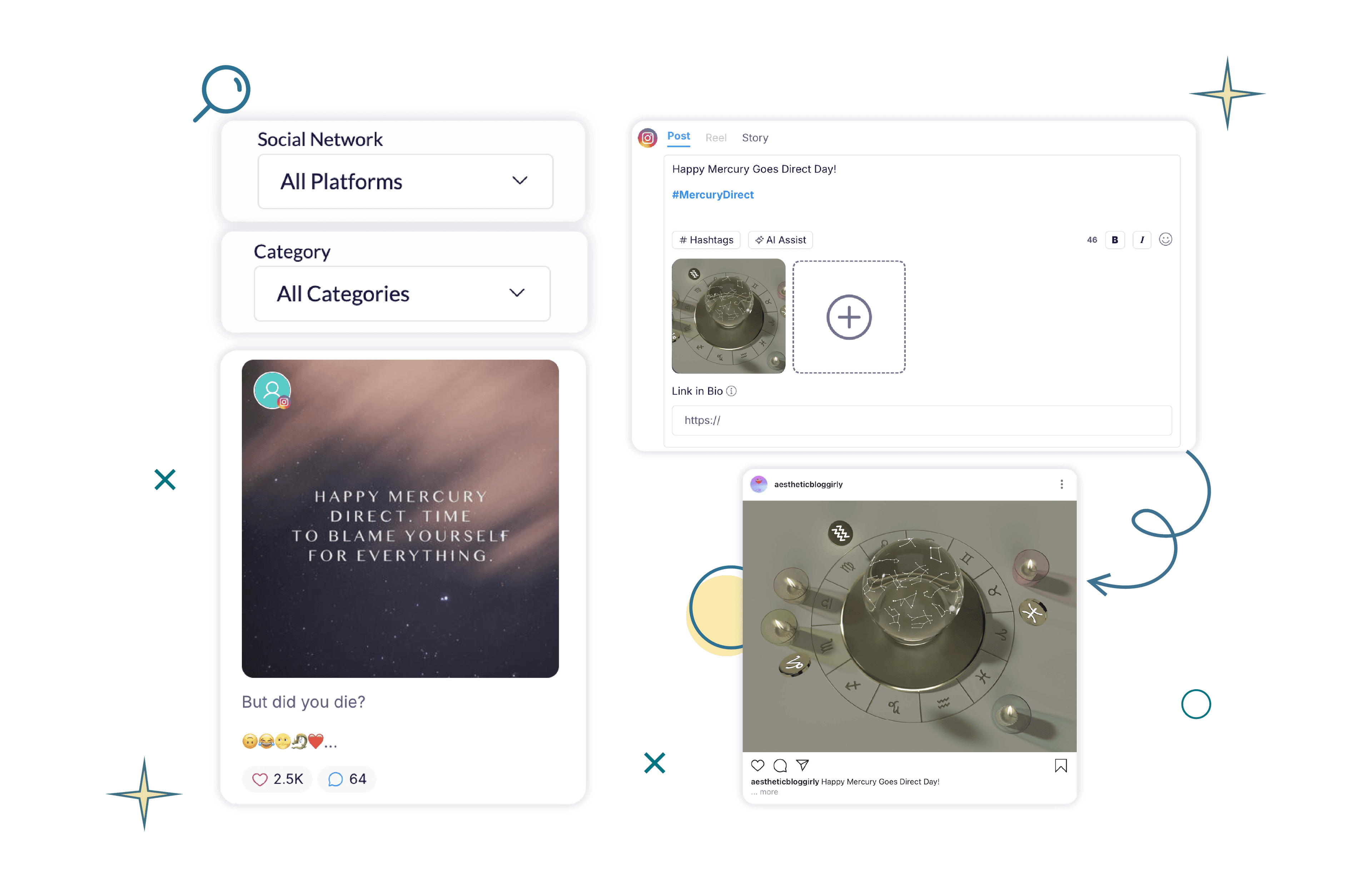
Planifiko postimet e tua në rrjetet sociale
Me një sërë mjetesh të fuqishme dhe një ndërfaqe të kuptueshme nga përdoruesit, do të jesh në gjendje të krijosh, parapamjen, të planifikosh dhe të analizosh me lehtësi përmbajtjen tënde në rrjetet sociale.
Provoje falas